Part of this was the normal reaction to any popular, independent startup being bought out by a big company. There's a natural -- sometimes justified -- suspicion that the acquirer will ruin everything that made the small company successful, and the onus is on the newly merged business to prove otherwise.
In Oculus' case, however, there was more than the typical anti-acquisition backlash. Facebook has become known as a company that is built around one thing: monetizing your social interactions. On Facebook, you're the product, with everything you do sold to advertisers, and that makes a lot of people uncomfortable. As Minecraft creator Markus "Notch" Persson said in a tweet announcing that he had scrapped plans for a version of the hugely popular game optimized for Oculus' head-mounted display, "Facebook creeps me out."
We were in talks about maybe bringing a version of Minecraft to Oculus. I just cancelled that deal. Facebook creeps me out.
- Markus Persson (@notch) March 25, 2014Facebook knows this is the company's reputation, and CEO Mark Zuckerberg tried to assuage concerns that his company would change Oculus in any way. Zuckerberg gushed about how Oculus' VR technology "opens up the possibility of completely new kinds of experiences," and talked about how it would expand beyond gaming to educational and medical applications. Zuckerberg cited Instagram's success -- the service now has 200 million users -- as an example of how an acquired company can function independently and successfully within Facebook.
When it came to Oculus' business model, he said Facebook wasn't interested in making money on the Oculus Rift hardware; the revenue, he said, would come from other places. "We view this as a software and services thing," he said. "If this becomes a network where people can be communicating and buying things and virtual goods, and there might be advertising in the world, but we need to figure that out down the line." Zuckerberg didn't go into specifics, but it's easy to imagine shopping malls popping up in the virtual landscape.
Advertising, along with the targeting and tracking of personal data that goes with it, may be what Oculus supporters fear most. Virtual reality, according to Zuckerberg, may be the next major computing platform, after mobile. But it's a platform that, by its very nature, is designed to be highly immersive and personal. Do you want Facebook, or its advertising partners, to know how you've interacted with your doctor? What you've been discussing in a virtual classroom? What kind of VR porn you like? While similar privacy concerns have dogged ad-supported services from Facebook to Twitter to Google, the extension of this to virtual reality has, for some people, crossed a line between the personal and public that just shouldn't be breached.
In a blog post last night, Minecraft's Notch emphasized that his main concern about Facebook is that the company is focused on social applications, rather than gaming. But he didn't shy away from raising concerns about the company's business model. "Facebook has a history of caring about building user numbers, and nothing but building user numbers," he wrote.
The Instagram deal mentioned by Zuckerberg is a good example of the challenges the company faces. In the almost two years since Facebook bought the photo-sharing site, it's stayed largely independent. You don't need a Facebook login to access the service; ads are a rarity; and only recently did Facebook even broach the idea of swapping out location data from rival Foursquare with its own content. But not long after Facebook acquired Instagram in 2012, the service quietly changed its Terms of Service to give itself the right to sell users' photos to advertisers without notification or compensation. After the resulting backlash, the service was forced to backpedal and undo the changes. Around the same time, Instagram updated its Privacy Policy so that it could share user data with its parent company. That change remains in effect.
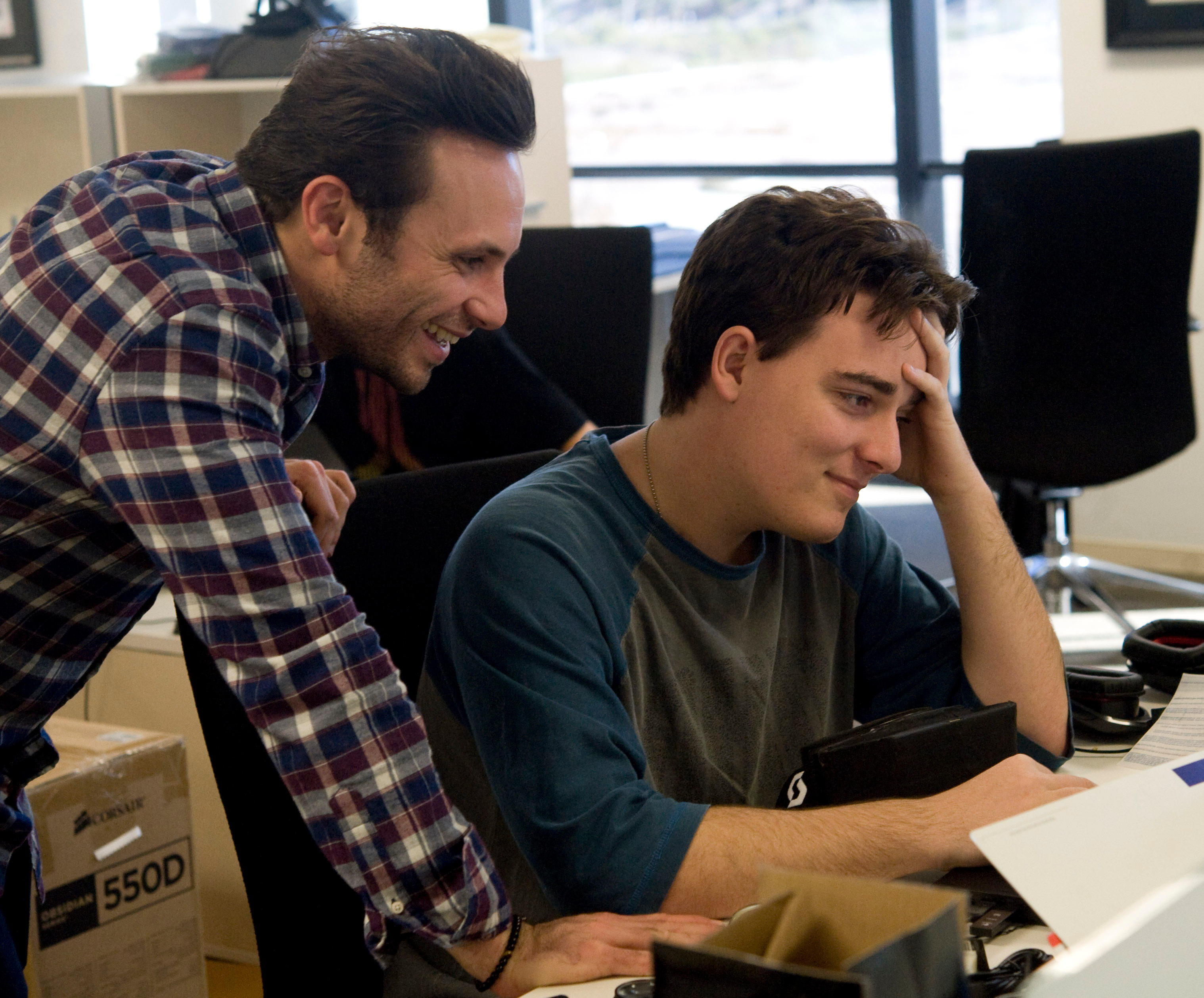
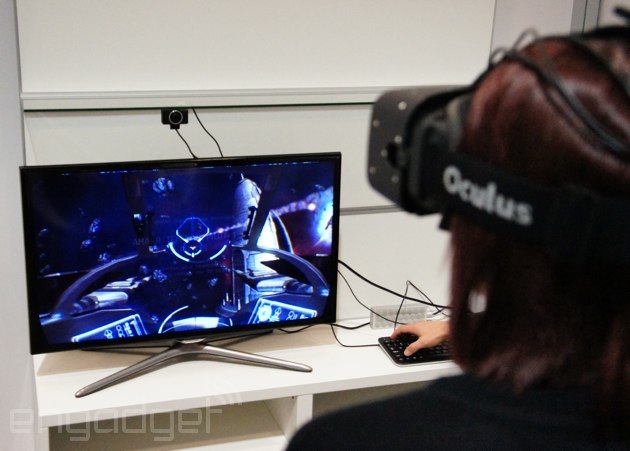
Engadget chose the Crystal Cove Oculus Rift prototype as Best of CES this past January. That decision was based on the product's cutting-edge technology, and the potential it offered to finally deliver on the promise of VR, something that's seemed tantalizingly close for decades, only to forever fall short. That potential is at the crux of both Oculus' decision to go with Facebook, and the suspicion of many formerly loyal supporters. Oculus mastermind Palmer Luckey is one of the smartest, most focused people I've ever had the fortune to meet, and I believe him when he says his main reason for partnering with Facebook was to get the "best experience to as many people as possible" as quickly and affordably as possible. Luckey believes in the potential of Oculus' work with every fiber of his being, and Facebook, as he sees it, will get that work into the hands of millions of consumers in a way that never could have happened if Oculus had stayed independent.
Luckey told me that he has "zero interest in doing what someone else thinks is the right thing."
Ultimately, Oculus can still succeed in the marketplace without Minecraft, and while serving Facebook's business goals. The Oculus deal doesn't change the fact that the Rift is an exciting, technically advanced platform that can deliver a unique gaming experience, and has potential for a huge number of non-gaming applications. Of course, if the Rift ends up being just a way for Facebook to serve immersive ads to its users, it will be a disappointment, no matter how groundbreaking it is. But there's no guarantee that will happen. Luckey told me that he has "zero interest in doing what someone else thinks is the right thing."
Don't count the Oculus team out just yet.
(Iribe/Luckey Photo:Photo © Ana Venegas/The Orange County Register/ZUMAPRESS.com
Follow the Saga Oculus Rift Can Oculus survive the Facebook effect?Mar 26th 2014 2:32PM
Oculus founders: Facebook lets us bring the best VR experience to a billion peopleMar 25th 2014 8:44PM
Palmer Luckey says Oculus' future 'just became crystal clear,' but Facebook's impact is still murkyMar 25th 2014 7:47PM
More Stories >
0 Comments Share
No comments:
Post a Comment